Tetiana Shyshkina
Projects
Research, digital, and public-facing projects at the intersection of history, data, and scholarly communication.
FocusSoviet Jewish culture, wartime mobilisation, transnational connections
SourcesArchival documents, correspondence, Yiddish press, institutional records
MethodsHistorical network analysis, prosopography, text analysis, GIS
Eynikayt
One strand reconstructs co-authorship networks in Eynikayt and examines how authors, editors, and institutions became visible in the Committee’s principal Yiddish-language newspaper. The corpus contains 701 issues published between 1942 and 1948.
Archival and transnational networks
The archival strand traces the Committee’s connections within the Soviet Union and abroad through correspondence, the circulation of materials, organisational contacts, and the 1943 journey of Mikhoels and Fefer.
Outputs
The project brings together the dissertation, research visualisations, conference presentations, and writing on Soviet Jewish culture and networks.
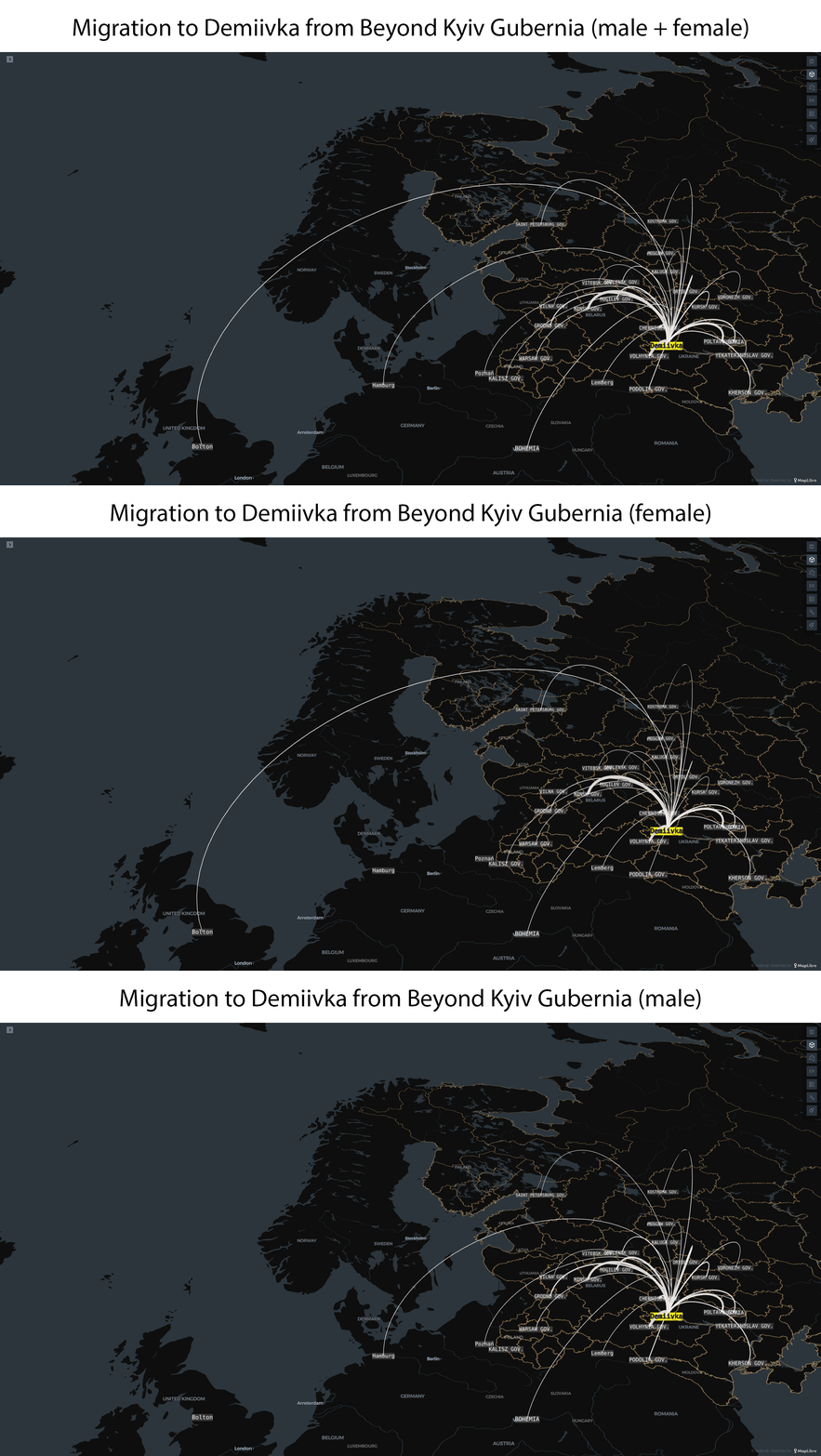
PlaceDemiivka, Kyiv
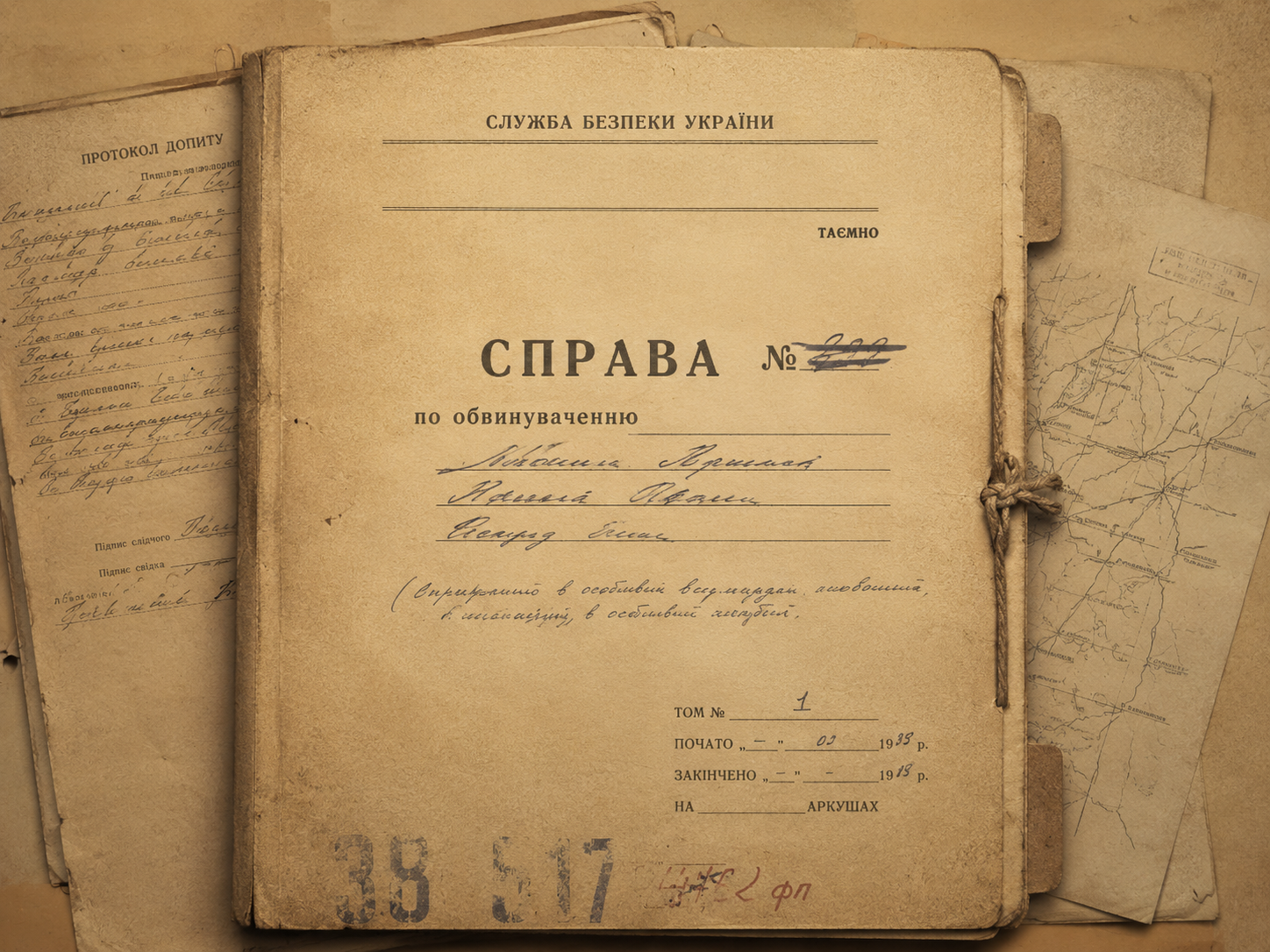
DataSurviving census sheets and structured records about residents
MethodsData modelling, descriptive statistics, mapping, visualisation
From document to data
The project transforms individual census entries into a connected data structure while preserving relationships among people, households, places of origin, occupations, and family ties.
Research perspective
Tamuz approaches Demiivka not as an abstract suburb but as a social space shaped by mobility, labour, and everyday relationships.
RoleWorkflow design, data modelling, automation, and quality assurance
ScopeApplications, courses, attendance, documentation, and certificates
TechnologiesGoogle Apps Script, JavaScript, Python, pandas, JSON, GitHub, Vercel
01Intake
02Validation
03Coordination
04Documents
Data architecture
Branch-aware forms, structured tables, and stable identifiers connect the stages from application to course completion while preserving the provenance and status of each record.
Automation and validation
Scripts generate identifiers, normalise values, detect missing fields, duplicates, and mismatches across sources, and support document preparation and operational reporting.
Responsible data management
The system is designed around data minimisation, controlled access, and a clear separation between operational and public materials. This case study uses only abstracted descriptions and demonstration data.
- Data modelling
- Workflow design
- Quality assurance
- Python · Apps Script